Historical Data
The Wine
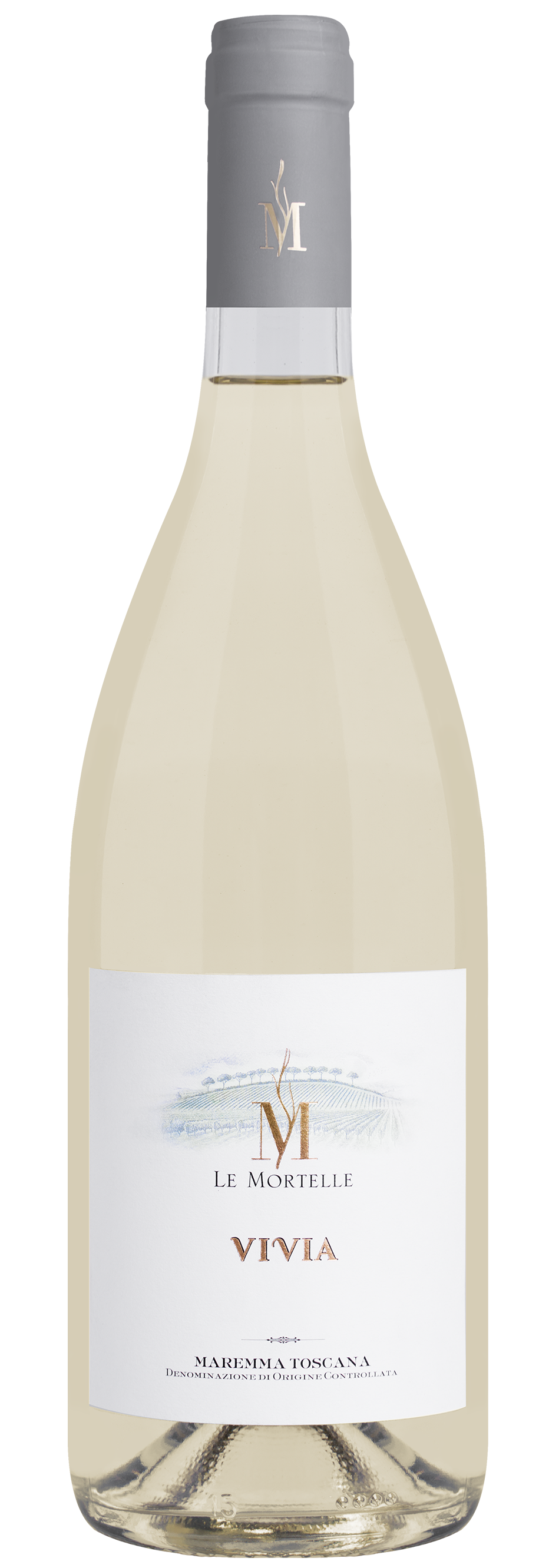
This wine is harvested from vineyards indigenous to the Tuscan coast, a blend of Vermentino and Viognier and a small percentage of Ansonica: a successful result of patient research that produced an elegant white wine expressing the colors and aromas of the Maremma coastline.
The Wine
This wine is harvested from vineyards indigenous to the Tuscan coast, a blend of Vermentino and Viognier and a small percentage of Ansonica: a successful result of patient research that produced an elegant white wine expressing the colors and aromas of the Maremma coastline.
Climate
The 2025 growing season was characterized by a mild winter and a cool spring, with well-distributed rainfall through May, favoring uniform budbreak and balanced vegetative growth. Flowering and fruit set took place regularly during cool, sunny conditions, with occasional but intense rainfall allowing for the accumulation of optimal water reserves in the soils. Summer was warm and dry, with high temperatures but without prolonged extremes, ensuring optimal ripening conditions. Significant day-to-night temperature swings contributed to preserving the grapes’ aromatic expression and freshness, supporting a gradual and complete maturation. Harvest began with Viognier in the first ten days of September, continued with Vermentino and concluded with Ansonica in the second half of the month.
Vinification
Upon arrival in the cellar, the grapes were gently pressed, and each grape variety was fermented separately to accentuate their unique characteristics. The must of each grape variety was cooled down to a controlled temperature of 10 °C (50 °F) for 24 hours to favor natural clarification. The clarified must was transferred to temperature controlled stainless steel tanks for alcoholic fermentation at 16 °C (61 °F). Vivia was aged for a short period in stainless steel on its lees for approximately three months before being bottled in January 2026.
Historical Data
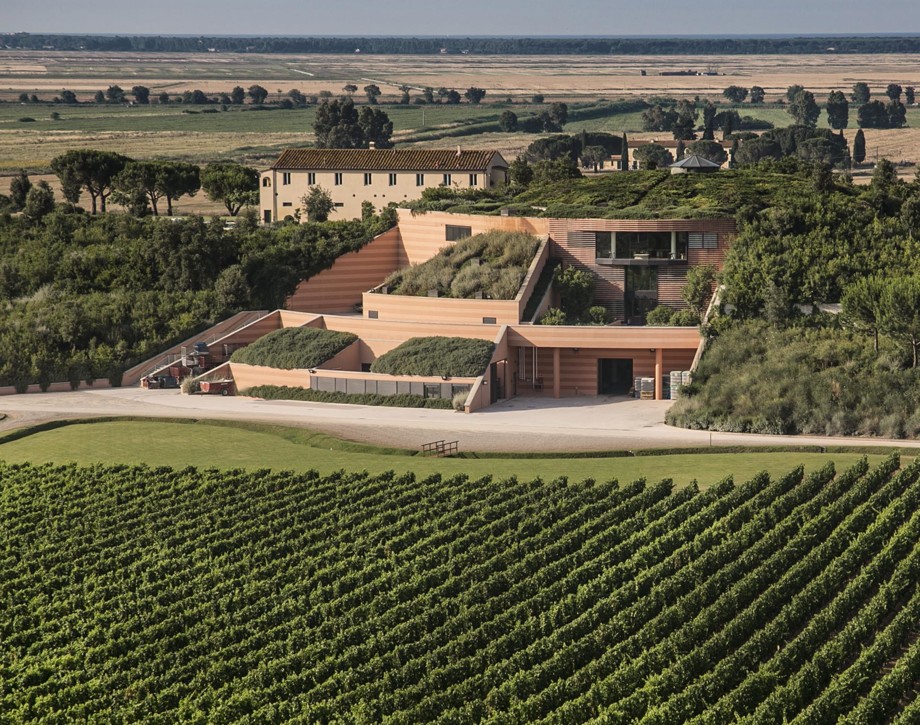
The Mortelle estate is in the heart of Maremma in Tuscany, near the town of Castiglione della Pescaia set in an extraordinary and fascinating position both for the territory’s unparalleled natural beauty and its historical heritage and culture. The Antinori family has been part of this territory for generations. Evidence of ownership of land in this area is recorded on a property deed dated 1863. It states their ownership of Poggio Franco, one of the best vineyards on the estate, together with other parcels of land. Since 1999, when the property was acquired, the family has dedicated their efforts to improving the vineyards and building the new winery with the firm belief that this area, slowly emerging on the Italian viticultural horizon, has great potential for the production of high quality wines. Varieties grown in this area can fully express their own characteristics as well as the exceptional qualities of the terroir. The soil is of medium consistency, sandy and loamy composed of clay and silica and in some parts of the estate is rich in rocky deposits. Vermentino and Ansonica, typical grape varieties cultivated in Tuscany’s costal area, grow alongside Viognier, a vine that has recently been planted after years of patient research to produce an elegant white wine expressing the colors and aromas of the Maremma coastline.
Tasting Notes
Vivia 2025 is straw yellow in color with pale greenish highlights. On the nose it is refined and harmonious, offering notes of white peach, yellow apple and grapefruit, accompanied by delicate floral nuances and hints of Mediterranean herbs. The palate is balanced, with good freshness and sapidity. The finish is persistent, characterized by citrus notes and delicate hints of fresh almond.
Fattoria Le Mortelle
The Mortelle estate is in the heart of Maremma in Tuscany, near the town of Castiglione della Pescaia set in an extraordinary and fascinating position both for the territory’s unparalleled natural beauty and its historical heritage and culture. The Antinori family has been part of this territory for generations. Evidence of ownership of land in this area is recorded on a property deed dated 1863. It states their ownership of Poggio Franco, one of the best vineyards on the estate, together with other parcels of land. Since 1999, when the property was acquired, the family has dedicated their efforts to improving the vineyards and building the new winery with the firm belief that this area, slowly emerging on the Italian viticultural horizon, has great potential for the production of high quality wines. Varieties grown in this area can fully express their own characteristics as well as the exceptional qualities of the terroir. The property extends over an area of 270 hectares (667 acres) 175 of which (432 acres) are planted with vineyards of Cabernet Sauvignon, Cabernet Franc and other more recently planted vineyards with white grape varieties such as Vermentino, Ansonica, Viognier and a small parcel of Carménère. The soil is of medium consistency, sandy and loamy composed of clay and silica and in some parts of the estate is rich in rocky deposits.
Soil
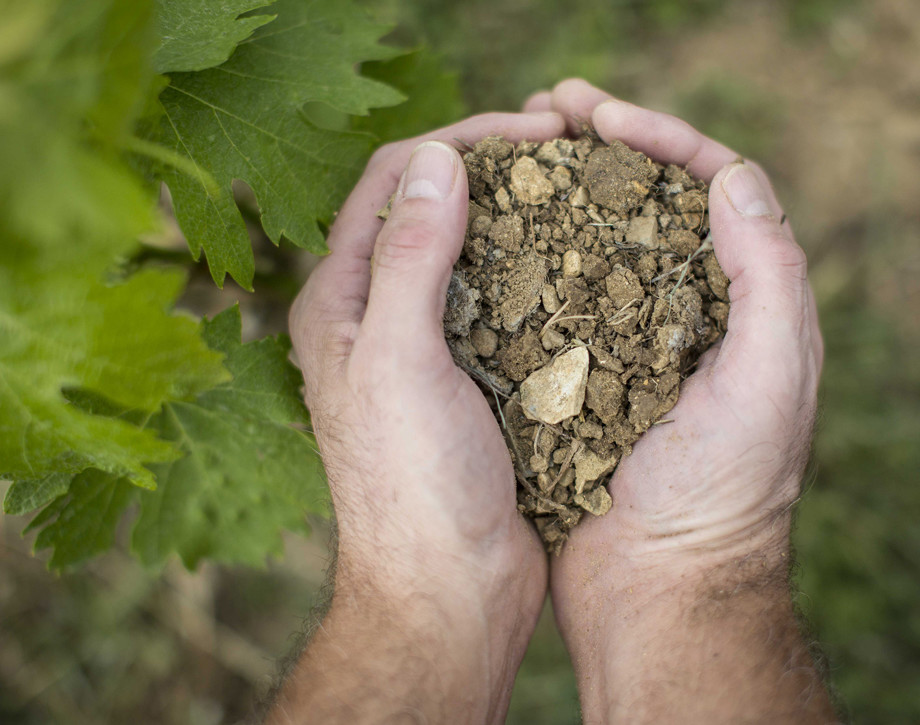
Loamy soil with sand and silt.


Antinori Estates




Estates in Italy


