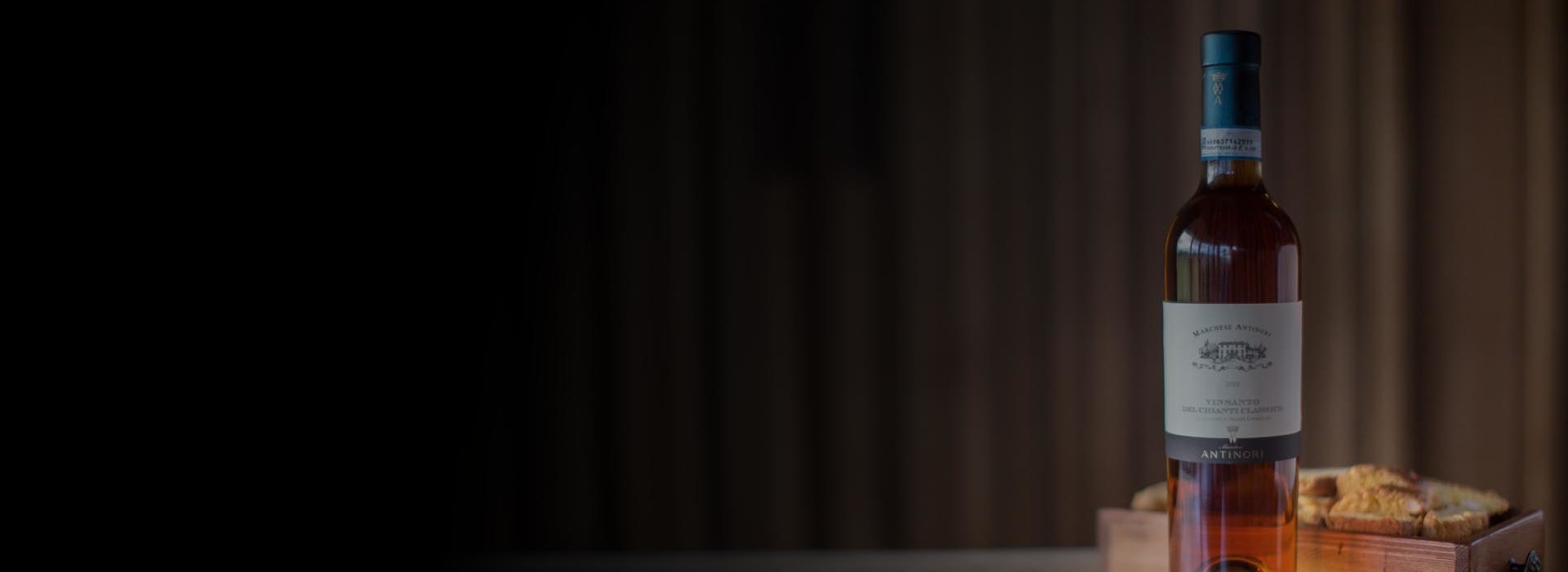
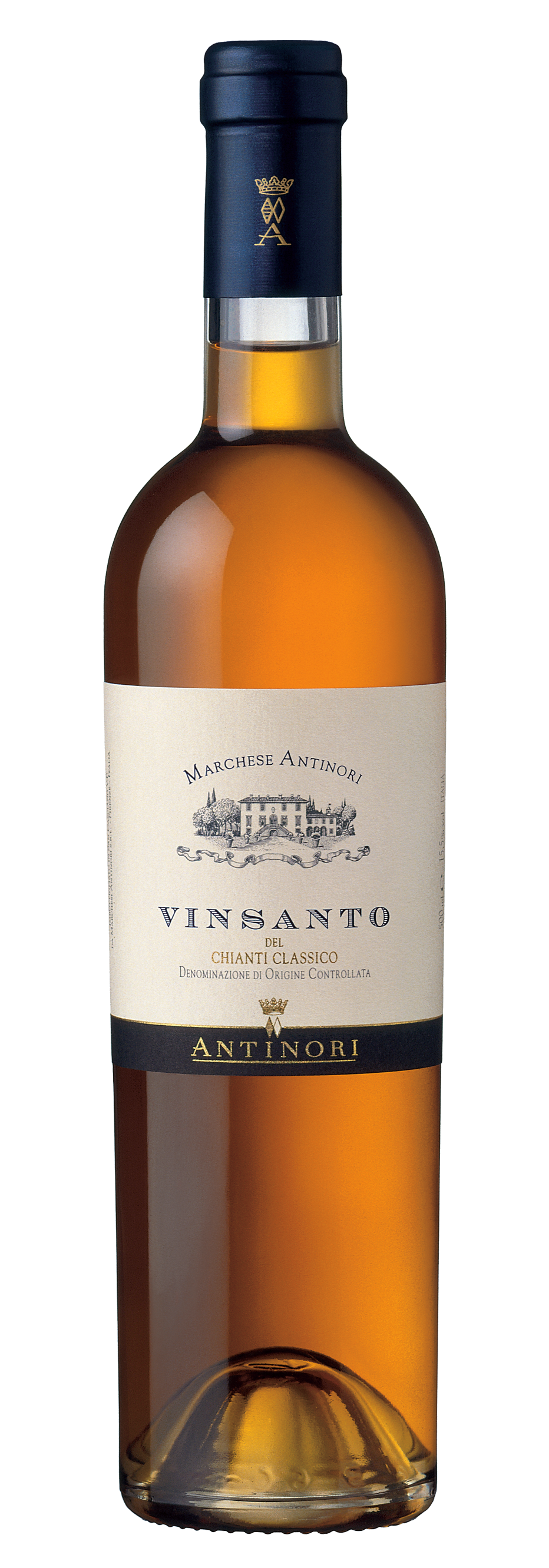
Vinsanto Marchese Antinori
Climate
The 2021 growing season in Chianti Classico began with a mild winter and rainfall that persisted until the end of March. Early spring conditions favored an anticipated budbreak, which was then slowed by the cool and dry weather in April. May and June brought normal temperatures, not excessively hot, and scattered rainfall that ensured excellent flowering and fruit set. The summer months were generally hot and dry, especially in August, although rain showers at the end of the month allowed Trebbiano grapes to begin an optimal ripening phase. The grape harvest took place between September 8th and 10th.
Fermentation and Aging
Grapes for Vinsanto were harvested exclusively from Antinori estate vineyards in the Chianti Classico region. Clusters were carefully selected in the vineyard and placed into small crates; in the cellar they were laid out manually on bamboo mats in the drying room at Tenuta Tignanello. The grapes were left to desiccate until the end of December then were gently pressed to preserve their aromatic and organoleptic qualities. The must was introduced into small casks called caratelli, coopered with different types of wood in sizes varying from 50 to 200 liters where alcoholic fermentation took place. The fermentation process progressed slowly over a lengthy period of time and was then halted. Vinsanto Marchese Antinori was left to age in the caratelli for about 3 years then blended and bottled.
Historical data
The production of Vinsanto in Tuscany goes all the way back to the Middle Ages and the wine is considered a true regional specialty; the Antinori family has always produced it. The first vintage of the Vinsanto Tenute Marchese Antinori (a “natural” Vinsanto, not a fortified wine with alcohol added) was the 1987.
Tasting notes
Vinsanto Marchese Antinori 2021 is golden in color with amber highlights. The nose offers sweet aromas of dates, candied peaches, and crème brûlée intertwined with spicy notes of cinnamon, chestnut flour, and saffron. The palate is elegant and refined: a rich, enveloping entry leads to a mid-palate sustained by lively freshness. The long and flavorful finish is distinguished by notes of panettone, maple syrup, mandarin peel, and pleasant acidity.
Vinsanto
Vinsanto production in Tuscany and in the Chianti Classico region dates back to the Middle Ages. Observing traditional methods and strict production regulations, Vinsanto Tenute Marchese Antinori is produced from selected Trebbiano and Malvasia grapes that are left to dry in a completely natural process requiring time and patience. The resulting wine is intense and pleasing for its generous aromas and soft palate.
Climate
The 2021 growing season in Chianti Classico began with a mild winter and rainfall that persisted until the end of March. Early spring conditions favored an anticipated budbreak, which was then slowed by the cool and dry weather in April. May and June brought normal temperatures, not excessively hot, and scattered rainfall that ensured excellent flowering and fruit set. The summer months were generally hot and dry, especially in August, although rain showers at the end of the month allowed Trebbiano grapes to begin an optimal ripening phase. The grape harvest took place between September 8th and 10th.
Fermentation and Aging
Grapes for Vinsanto were harvested exclusively from Antinori estate vineyards in the Chianti Classico region. Clusters were carefully selected in the vineyard and placed into small crates; in the cellar they were laid out manually on bamboo mats in the drying room at Tenuta Tignanello. The grapes were left to desiccate until the end of December then were gently pressed to preserve their aromatic and organoleptic qualities. The must was introduced into small casks called caratelli, coopered with different types of wood in sizes varying from 50 to 200 liters where alcoholic fermentation took place. The fermentation process progressed slowly over a lengthy period of time and was then halted. Vinsanto Marchese Antinori was left to age in the caratelli for about 3 years then blended and bottled.
Historical data
The production of Vinsanto in Tuscany goes all the way back to the Middle Ages and the wine is considered a true regional specialty; the Antinori family has always produced it. The first vintage of the Vinsanto Tenute Marchese Antinori (a “natural” Vinsanto, not a fortified wine with alcohol added) was the 1987.
Tasting notes
Vinsanto Marchese Antinori 2021 is golden in color with amber highlights. The nose offers sweet aromas of dates, candied peaches, and crème brûlée intertwined with spicy notes of cinnamon, chestnut flour, and saffron. The palate is elegant and refined: a rich, enveloping entry leads to a mid-palate sustained by lively freshness. The long and flavorful finish is distinguished by notes of panettone, maple syrup, mandarin peel, and pleasant acidity.
The Specialties Of The Chianti Region
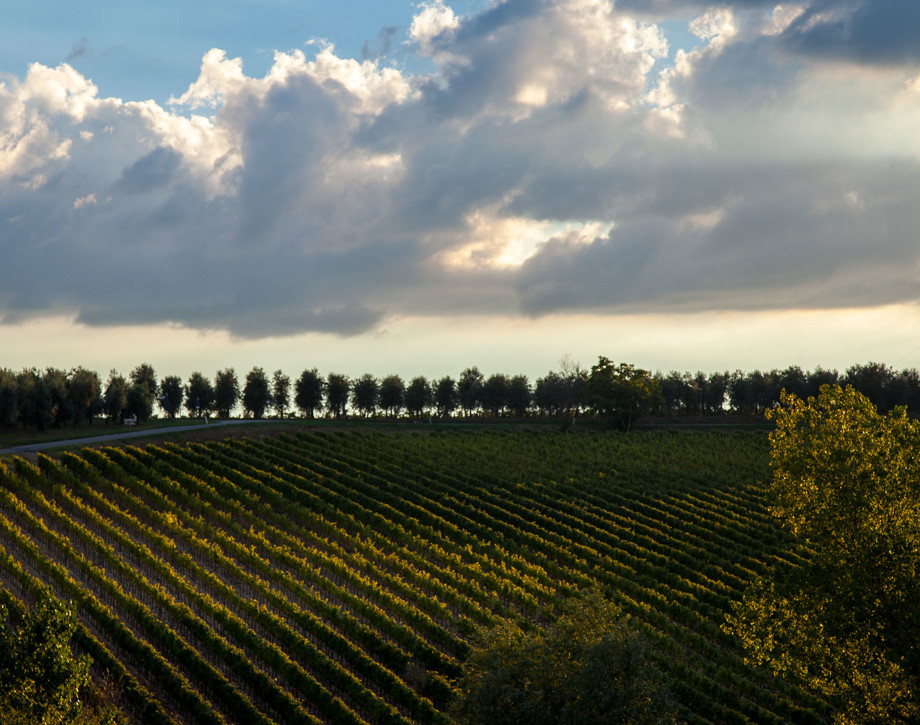
Chianti Classico is the heart of Tuscany not only from a geographical perspective but also due to its historical and cultural importance, its traditions and for its strikingly beautiful territory. Chianti Classico is home to Marchesi Antinori’s historic estates, a family of winemakers since 1385 who have always been passionate about their ancestral territory. The specialty products produced by Antinori, brandy, grappa, Vinsanto, extra virgin olive oil and vinegar, are all remarkable tributes to Chianti Classico’s rich, generous countryside and its authentic production perfected through centuries of agricultural and viticultural traditions.


Antinori Estates




Estates in Italy


