Muffato della Sala 2016 (Clone 2022-06-28 13:42:39)
The Wine
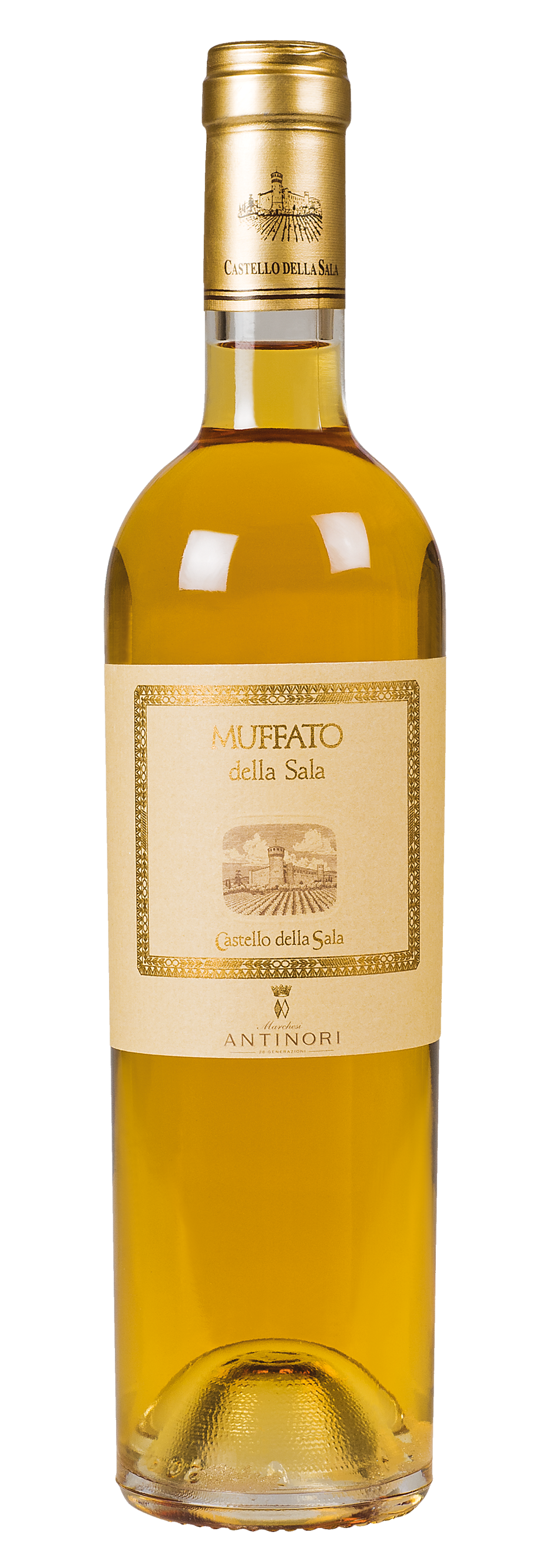
This fascinating wine is a blend of Sauvignon Blanc, Grechetto, Traminer, Sémillon and Riesling affected by Botrytis Cinerea (noble rot). The morning mists and local microclimate favour the development of this rot which reduces the water content of the grapes. The resulting concentration of sugars and aromas give the Muffato its special and unmistakeable flavour.
The Wine
This fascinating wine is a blend of Sauvignon Blanc, Grechetto, Traminer, Sémillon and Riesling affected by Botrytis Cinerea (noble rot). The morning mists and local microclimate favour the development of this rot which reduces the water content of the grapes. The resulting concentration of sugars and aromas give the Muffato its special and unmistakeable flavour.
Climate
The 2024 growing season was characterized by a relatively mild winter with overall average rainfall, followed by a moderately rainy spring that ensured good water reserves in the soils. Spring temperatures, slightly below seasonal averages, favored regular budbreak and balanced, homogeneous vine growth. During the summer months, particularly in July and August, warm and stable weather conditions, combined with significant day-night temperature variations, allowed the grapes to ripen slowly and progressively while preserving freshness and aromatic intensity. During October and November, frequent morning fog created ideal conditions for the development of “noble rot” on the berries. This phenomenon naturally concentrated sugars and enhanced the aromatic complexity of the grapes. The harvest began in mid-October with Traminer, followed by Riesling, Sauvignon Blanc and Sémillon, and was completed in early November with Grechetto.
Vinification
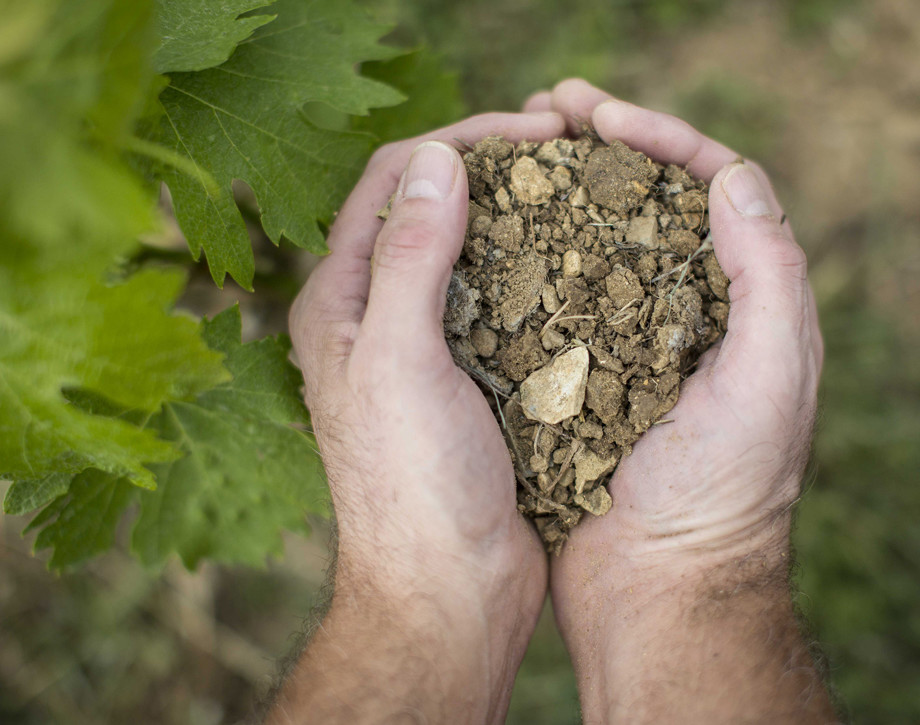
Grapes were harvested from Castello della Sala’s vineyards, located at an altitude between 200 and 450 meters above sea level (656 and 1476 feet), in clay-based soils rich in marine fossils. All grapes were hand harvested in progressive stages, returning repeatedly to the vineyards to pick the fruit at just the right time. Once the grapes were brought to the cellar, grape clusters were further selected for quality on sorting tables. Grape clusters with their stems were gently crushed then pressed. The must underwent fermentation for 18 days at a temperature of approximately 17 °C (63 °F). The wine, still sweet at this stage, was transferred into 228-liter oak where it aged for several months, then continued to age in stainless steel tanks for an additional period.
Historical Data
Muffato della Sala is produced with grapes with “noble rot”, harvested in late October and early November to allow the morning mists to develop of Botrytis Cinerea, or noble rot on the grape berries. This type of mould concentrates the water of the crop, its sugars, and its aromas, endowing the Muffato della Sala with a harmonious and unmistakable fragrance. The first year to be produced was the 1987 and consisted of the blend of varieties such as Sauvignon Blanc (50%); Grechetto (30%) and Drupeggio (20%). The composition of the blend has varied over the years and now has attained its definitive results. Muffato della Sala is a fascinating wine, an expression, in small quantities, of the nature of a unique terroir.
Tasting Notes
Muffato della Sala 2024 is yellow in color with bright greenish hues, highlighting the freshness of the vintage. On the nose, it expresses remarkable elegance and aromatic complexity, with aromas of tropical fruit such as pineapple, mango and papaya accompanied by notes of dried apricot, yellow peach and candied citrus peel. Delicate hints of fresh ginger further enrich the aromatic profile. The palate is enveloping and harmonious, supported by sweetness that is beautifully balanced by vibrant acidity, imparting freshness, energy and depth. The finish is long and persistent, with lingering notes of citrus marmalade, dried apricot and candied fruit.
Castello della Sala
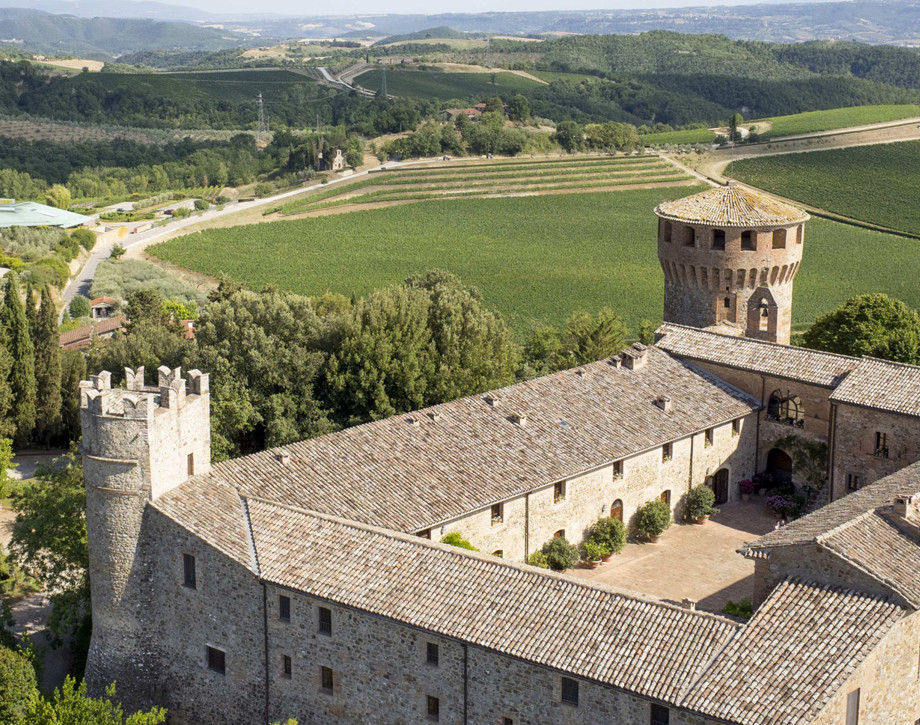
Castello della Sala is located in the Umbria region, not far from the Tuscan border, about 18 kilometers from the historic city of Orvieto. The Medieval castle’s property extends over an area of 600 hectares (1482 acres), 229 hectares (495 acres) are planted with vineyards at an altitude that varies between 220 and 470 meters above sea level (722/1541 feet) on the gently rolling hillsides that characterize the beautiful countryside in this area. Castello della Sala is the perfect place for growing white varieties. The vines grow in clay and calcareous based soils, rich in fossil shells, and they are well exposed to the rising of the sun with an excellent difference of temperature between day and night. The one exception to the rule is Pinot Noir, the only red variety that has found in this area ideal growing conditions to best express its full potential.
Soil
Clay soils rich in deposits of marine fossils.


Antinori Estates




Estates in Italy


