Castello della Sala
The Wine
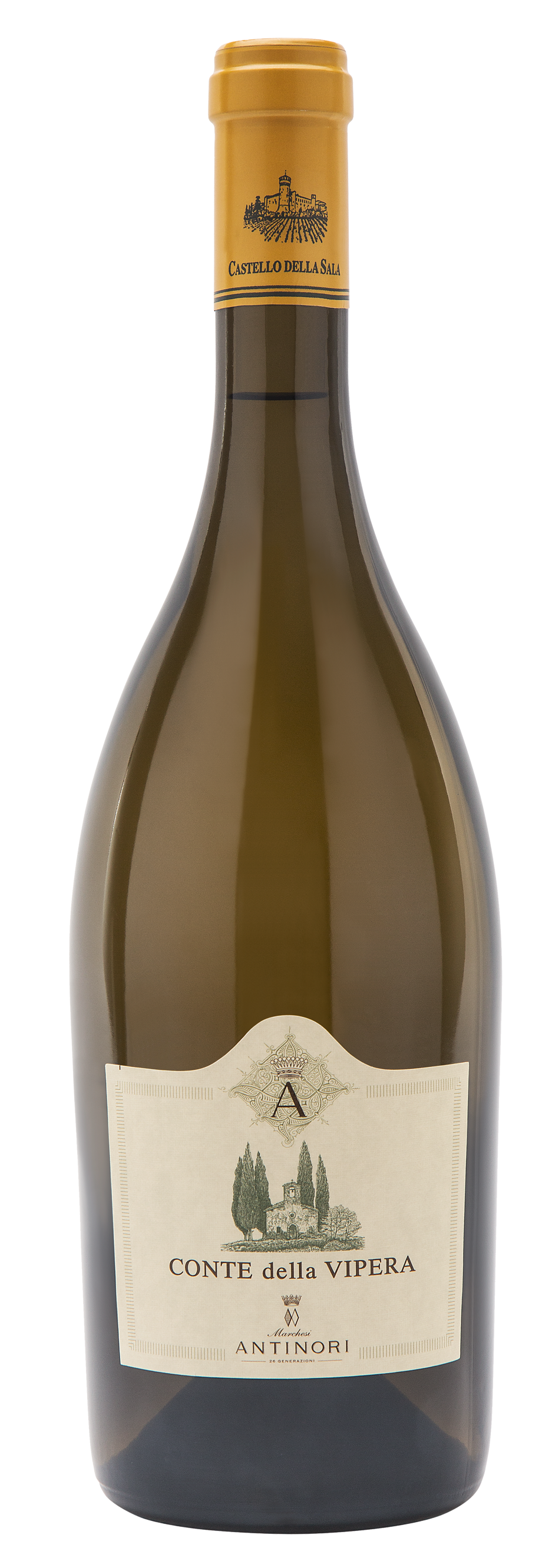
The wine is produced from a careful selection of Sauvignon Blanc and Sémillon. Conte della Vipera is a tribute to the original owners of the castle and its label shows an illustration of San Giovanni’s chapel (Saint John), a small chapel located on the estate.
The Wine
The wine is produced from a careful selection of Sauvignon Blanc and Sémillon. Conte della Vipera is a tribute to the original owners of the castle and its label shows an illustration of San Giovanni’s chapel (Saint John), a small chapel located on the estate.
Climate
The 2025 growing season was overall favorable. A mild winter, with no extreme weather events, allowed the vines to undergo proper winter dormancy, while spring unfolded regularly with average temperatures and sufficient rainfall, ensuring good vine growth and even budbreak. Summer was warm but without prolonged heat spikes. Breezy conditions and the altitude of the hillside vineyards helped limit water stress and promoted balanced ripening of the grapes. Although rainfall was not abundant, it was concentrated during the first half of August, sustaining excellent vine vigor and encouraging a slow, even ripening phase. Overall, these conditions favored the development of an aromatic profile rich in nuances while preserving an ideal balance between sugar levels and acidity.
Vinification
Grape clusters were hand harvested and immediately brought to the cellar where they were cooled down before pressing to preserve characteristic varietal aromas. The grapes were gently pressed, and both musts were kept at a constant temperature of 10 °C (50 °F) for several hours to facilitate natural clarification. They were then transferred to stainless steel tanks where alcoholic fermentation took place at a temperature that did not exceed 16 °C (61 °F). Fresh, vertical, and slightly aromatic Sauvignon Blanc was blended with soft, tropical Sémillon, one grape variety completing the other. The wine was kept in stainless steel tanks at a temperature of 10 °C (50 °F) until bottling, which began on April 14th, 2026.
Historical Data
The vineyards selected to be utilized for the Conte della Vipera are located at an altitude between 825 and 1050 feet (250-350 meters) above sea level on soils rich in marine fossils. The wine takes its name from first proprietors of the Castello della Sala, and the label shows the 13th century Saint John’s Chapel (the Cappella d San Giovanni) situated on the estate. The first vintage of Conte della Vipera to be produced was the 1997.
Tasting Notes
Conte della Vipera 2025 is a bright straw yellow color with delicate light green hues. The nose opens with intense fruity notes of pink grapefruit and lychees accompanied by fresh hints of lime, pineapple, and passion fruit. Elegant aromatic nuances of elderflower, wisteria, and white blossoms further enrich its aromatic profile. The palate is elegant, vibrant, and beautifully balanced, sustained by crisp acidity and a refined texture. The finish is long and persistent, with citrus and tropical fruit notes accompanied by a mineral vein that enhances its complexity and depth.
Castello della Sala
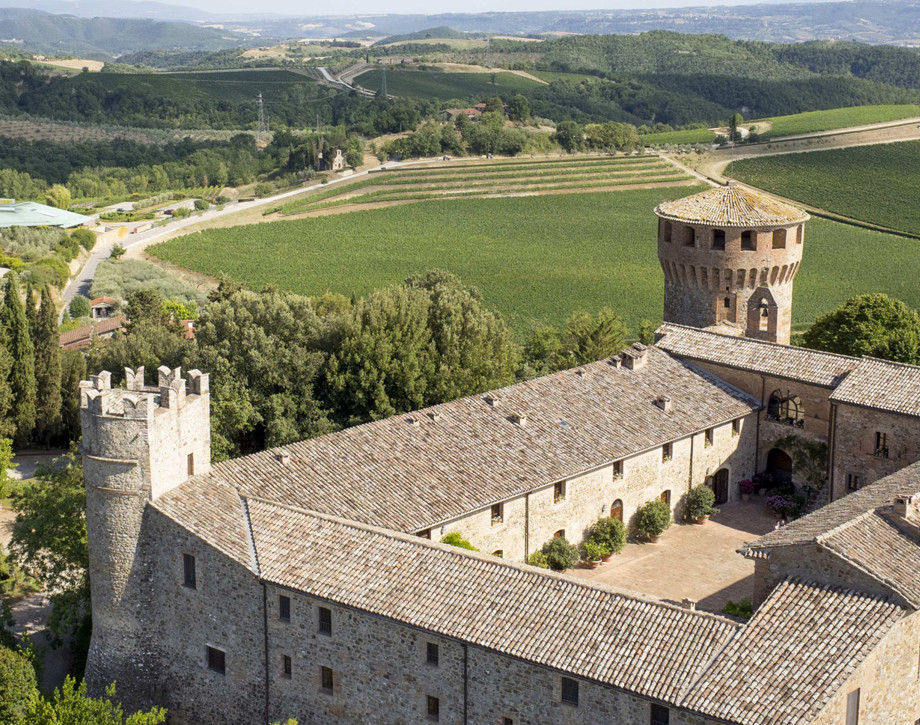
Castello della Sala is located in the Umbria region, not far from the Tuscan border, about 18 kilometers from the historic city of Orvieto. The Medieval castle’s property extends over an area of 600 hectares (1482 acres), 229 hectares (495 acres) are planted with vineyards at an altitude that varies between 220 and 470 meters above sea level (722/1541 feet) on the gently rolling hillsides that characterize the beautiful countryside in this area. Castello della Sala is the perfect place for growing white varieties. The vines grow in clay and calcareous based soils, rich in fossil shells, and they are well exposed to the rising of the sun with an excellent difference of temperature between day and night. The one exception to the rule is Pinot Noir, the only red variety that has found in this area ideal growing conditions to best express its full potential.
Soil
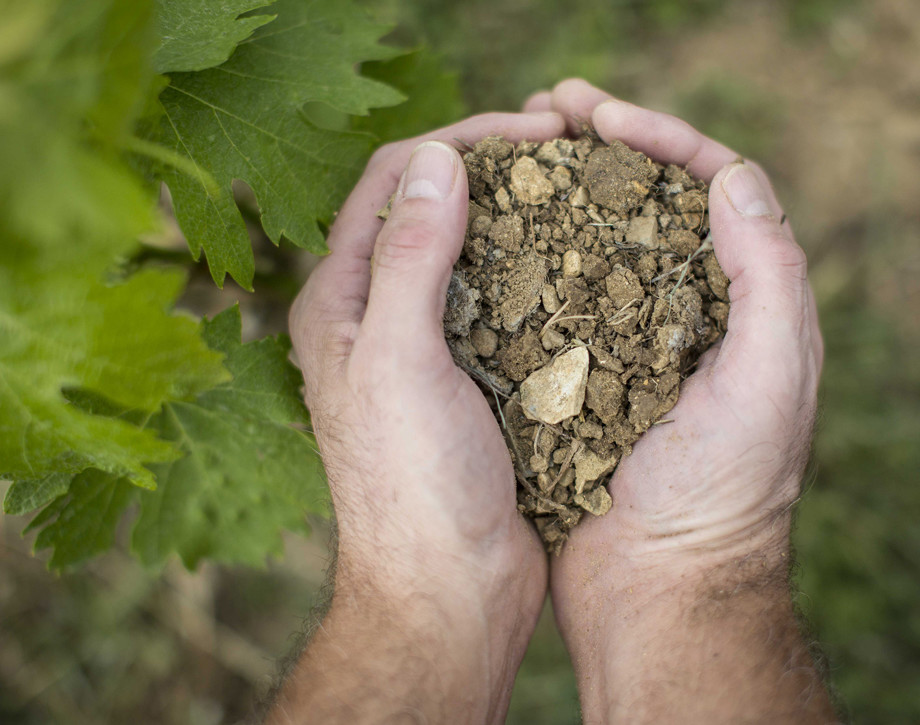
Soils rich in sedimentary deposits of marine fossils with veins of clay.


Antinori Estates




Estates in Italy


