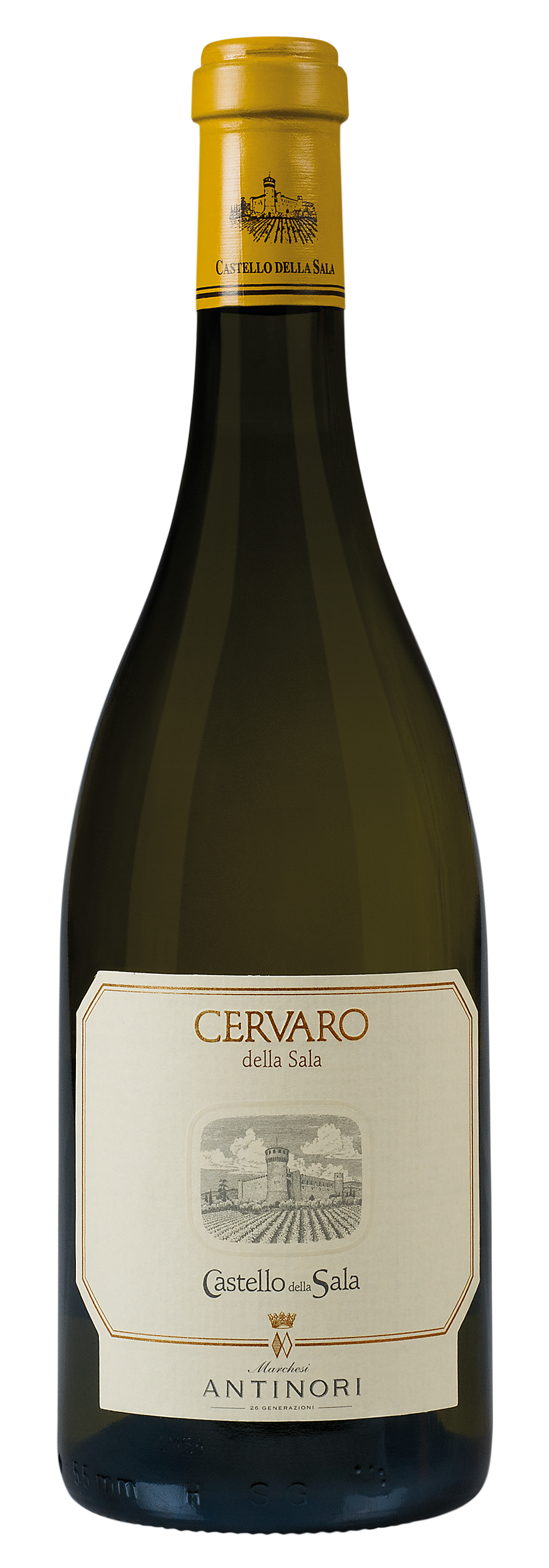
Cervaro della Sala 2019
Climate
Winter weather was mild and sunny while spring brought lower than average temperatures and frequent rainfall. These climatic conditions persisted up until the end of May and affected flowering and fruit set in both grape varieties, causing a delay of approximately 10 days. The month of June provided relatively dry weather. The vines benefitted from generous groundwater reserves and maintained good vine balance even during the hot month of August, completing veraison and slowly progressing to perfect ripeness. Optimal temperature fluctuations between day and night produced healthy clusters with rich aromatic compounds. Chardonnay for Cervaro della Sala was harvested at the end of August with healthy, ripe berries that had optimal freshness and an excellent aromatic profile. Harvesting operations of Grechetto took place 15 days later towards the end of September.
Vinification
The vinification cellar was designed to take full advantage of gravity flow; a concept that provides a gentler approach to handling the harvested berries and fermentation processes without the use of mechanical pumps. The grapes are harvested in the early morning hours to preserve the purity of the fruit and protect it from elevated daytime temperatures. The must, which has undergone maceration on the skins at a temperature of 10 °C (50 °F) for about 4 hours, is first transferred by gravity flow into tanks for decantation and clarification, then transferred into barriques. Alcoholic fermentation takes place in barrique followed by malolactic fermentation. Usually, after a period of 5 months, the Chardonnay is ready to be transferred back into stainless steel vats and blended with Grechetto. The Grechetto must was fermented separately but did not age in oak. Subsequently, Cervaro della Sala aged in the bottle for several months in Castello della Sala’s historic cellars before being released for sale.
Tasting Notes
Cervaro della Sala 2019 is pale yellow in color with notable greenish highlights. Its intense, complex nose shows notes of citrus fruit, pineapples and acacia blossoms that blend harmoniously with hints of vanilla and flint. On the palate, it’s generous, refined and well structured; pleasantly savory notes are well-balanced by typical sweet sensations of hazelnut butter. The 2019 vintage will be remembered as one of Cervaro della Sala’s greatest vintages, perfectly enjoyable upon release, but has remarkable aging potential for years to come.
The Wine
The name Cervaro comes from the noble family that owned Castello della Sala during the 14th century, Monaldeschi della Cervara. A blend of Chardonnay grapes and a small quantity of Grechetto make a wine that can age over time and represent the elegance and complexity of this unique estate. Cervaro della Sala is one of the first Italian white wines to have malolactic fermentation and aging take place in barriques. The first vintage of Cervaro to be produced was the 1985 vintage.
In Honor of the Monaldeschi della Cervara Family
The wine’s name honors the Monaldeschi della Cervara family who was the historic owner of Castello della Sala in the XVI century.
The Barrique
Cervaro della Sala was one of the first Italian white wines to have malolactic fermentation and aging take place in barriques.
The Concept
The idea behind Cervaro della Sala was to craft a white wine able to age over time.
The Enologist
In 1985, Renzo Cotarella, who was chief enologist at Castello della Sala at that time, made the first vintage of Cervaro della Sala.
Climate
Mild winter weather and normal levels of precipitation marked the beginning of the 2024 growing season. Spring was moderately rainy that guaranteed good groundwater reservoirs in vineyard soils. Spring temperatures, slightly lower than average, prompted normal budbreak and even vine growth.Flowering and fruit set of Chardonnay vines took place at the end of May whilefor Grechetto, these phases occurred one week later, 7 days later than seasonal averages. July and August saw hot stable weather that was accompanied by significanttemperature swings between day and night, ensuring a gradual and ideal ripening phase. The grape harvest began with Chardonnay at the end of August and was completed with Grechetto 3 weeks later towards mid-September. At harvest time, the grapes were perfectly healthy, at peak maturity with a good balance between acidity and sugar levels and a particularly generous and complex aromatic profile.
Vinification
The vinification cellar was designed to take full advantage of gravity flow; a concept that allows us to handle the harvested berries and fermentation processes as gently as possible without the use of mechanical pumps. The grapes are harvested in the early morning hours to preserve the purity of the fruit and protect it from elevated daytime temperatures. The must, which underwent maceration on the skins at a temperature of 10 °C (50 °F) for about four hours, is first transferred by gravity flow into decantation tanks where clarification takes place, then transferred into barriques where alcoholic fermentation occurs followed by partial malolactic fermentation. In February, Chardonnay is ready to be transferred back into stainless steel vats and blended with Grechetto, which was fermented separately and did not age in oak. Afterwards, Cervaro della Sala is aged in the bottle for several months before being released for sale.
Historical Data
The name Cervaro comes from the noble family that owned Castello della Sala during the 14th century, Monaldeschi della Cervara. A blend of Chardonnay grapes and a small quantity of Grechetto make a wine that can age over time and represent the elegance and complexity of this unique estate. Cervaro della Sala is one of the first Italian wines to have malolactic fermentation and aging take place in barriques. The first vintage of Cervaro to be produced was the 1985 vintage.
Tasting Notes
Cervaro della Sala 2024 is clear straw yellow in color with light green hues. The nose opens with citrusy notes of pink grapefruits accompanied by floral hints of elderflowers and chamomile, followed by delicate aromas of vanilla, pastry cream and a hint of flint, a distinctive characteristic of Chardonnay grown in vineyards on the Castello della Sala estate. The palate is taut, elegant with notes of toasted almonds, white pepper and ginger. The savory texture is well-balanced by exceptional freshness. This vintage boasts an authentic flavor profile that unites energy and finesse, once again reaffirming Cervaro della Sala’s excellent aging potential in the years to come.
Castello della Sala
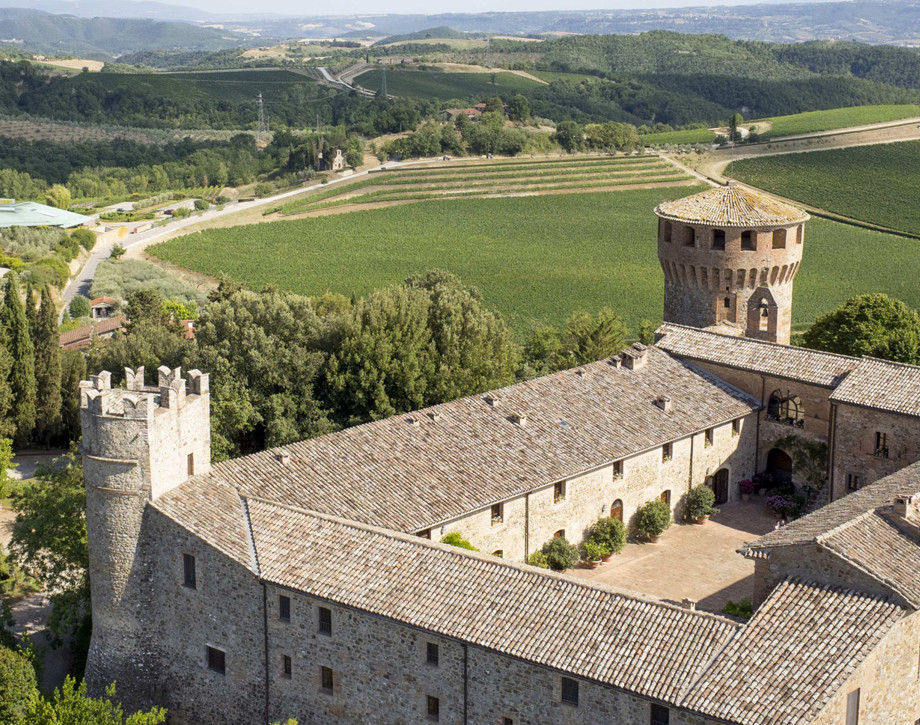
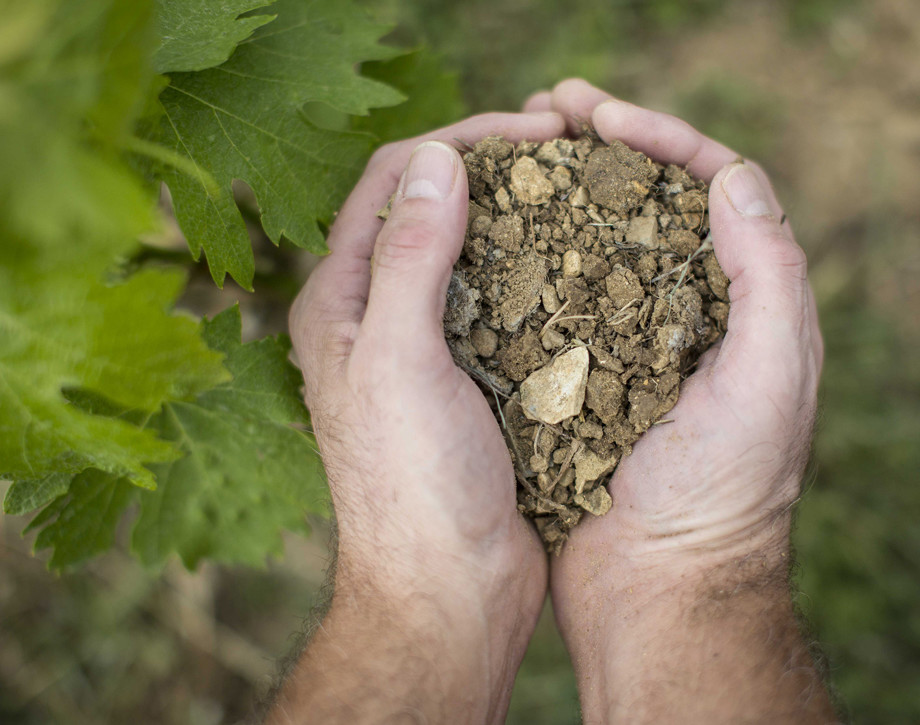
Castello della Sala is located in the Umbria region, not far from the Tuscan border, about 18 kilometers from the historic city of Orvieto. The Medieval castle’s property extends over an area of 600 hectares (1482 acres), 229 hectares (495 acres) are planted with vineyards at an altitude that varies between 220 and 470 meters above sea level (722/1541 feet) on the gently rolling hillsides that characterize the beautiful countryside in this area. Castello della Sala is the perfect place for growing white varieties. The vines grow in clay and calcareous based soils, rich in fossil shells, and they are well exposed to the rising of the sun with an excellent difference of temperature between day and night. The one exception to the rule is Pinot Noir, the only red variety that has found in this area ideal growing conditions to best express its full potential.
Soil
Originating in the Pliocene period, rich in marine fossils with veins of clay.


Antinori Estates




Estates in Italy


